







Giving your time to help others can be a huge commitment, especially in a mentor/mentee program. Whether you’re mentoring school children, those in need or a young professional in your own organization, mentoring is hard work.
A mentorship program has more in store than just for the mentee. If you’re not sure whether mentoring is right for you, take a look at these eight ways becoming a mentor can benefit you.
1. Give back to the community.
Becoming a mentor in the community is an excellent way to give back in a unique and challenging way. When you mentor fellow community members, you give them the chance to develop and grow, therefore strengthening the community as a whole. Not to mention, you continue to live and grow an altruistic lifestyle.
2. Help a struggling neighbor.
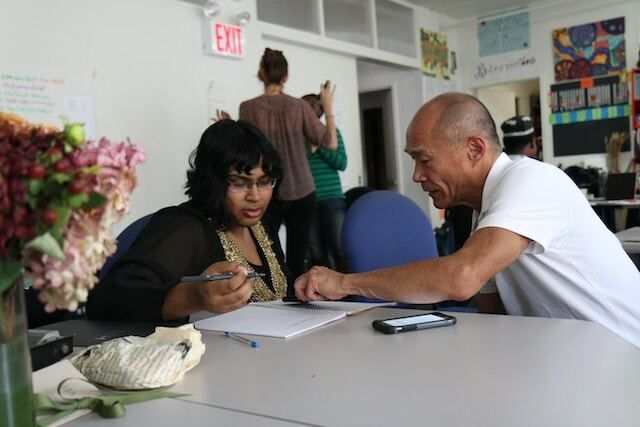
Whether a mentee is a young child or an aging adult, as a mentor you have the opportunity to help guide a struggling member of your community. Provide valuable life advice, work through challenges and encourage mentees to achieve. When you help someone in need, you in turn fill your own life with positivity.
3. Share your knowledge with another.
Mentorship gives you the chance to share your own experiences and life knowledge with a fellow human being. Did you struggle with chemistry homework in high school? Tell your mentee! Do you use a planner to help coordinate and organize your life for school? Tell your mentee that too. As a mentor, you can help spread valuable knowledge to others.
4. Learn from someone else.
Not only does mentorship help mentees learn, but you can learn from mentees as well. Let them share their life stories and experiences with you, and gain valuable knowledge from viewpoints you may never have been exposed to otherwise. Because when two people come together, knowledge is compiled and shared.
5. Build relationships.
Nothing is more valuable than relationships, and mentoring allows you to build a new relationship with someone close. Whether this relationship is peer-based, work-based or familial, you can gain a new life-impacting connection with someone. And when you build a new relationship with one person, you create a web of interlocking relationships with others.
6. Practice active listening.
Active listening is a skill few people have mastered, but by mentoring you can learn just how to do it. Practice your active listening skills with your mentee and learn to focus on the here and now. Not only will this help your personal life, but your professional life will benefit as well from your newly found active listening skills.
7. Develop your resume.
If you’re still not sure whether mentoring is right for you, take this into consideration: being a mentor looks great on a resume. If you have no other reasons to mentor, this is still a strong one. You can demonstrate to future employees your philanthropic work and altruistic attitude towards helping the community, then land the job you’ve always been hoping for.
8. Advance your leadership.
Leadership is an invaluable skill to have both personally and professionally. Becoming a mentor for someone in need gives you just the right chance to develop your leadership skills. If you’re struggling to be organized or responsible, mentorship helps you grow in these leadership roles. You can then become a stronger leader in whatever area you choose.
Mentoring a child, peer or coworker can be a challenge, but the benefits far outweigh the time commitment. If you’re looking to advance your personal and professional life towards a more altruistic lifestyle, consider becoming a mentor. You get to help someone in need while they in turn enhance your life as well.


